
Car Detailing

A Step-By-Step Guide to the Professional Car Detailing Process

Car Detail

A well-detailed car is more than just a luxury; it’s an investment in the safety and longevity of your vehicle. By regularly detailing and protecting your vehicle, you can minimize damage and increase its resale value over time. From using pH-balanced wash soaps to mastering the two-bucket washing method, this ultimate guide will provide you with all of the tips and tricks professional detailers use to ensure a perfect job every time.

Pre-Wash

Car Detail is an essential step in restoring and maintaining your vehicle’s paintwork. Detailing, like any other process, requires time and effort to achieve a show-stopping result. A car enthusiast can choose to take on the challenge of detailing their own vehicle, or they can enlist the services of a professional auto detailer. Either way, there are certain steps that must be taken to avoid any mistakes.

One of the most important steps is pre-washing. A thorough pre-wash can help to minimize any potential for scratches during the contact wash phase of the detailing process. In addition, a proper pre-wash can prepare the paintwork for the application of protectants.

After the pre-wash, most detailing professionals will proceed to the washing phase of the job. They will use a high-quality pH neutral shampoo to remove any dirt or debris that may have become bonded to the surface of the car’s finish. Most detailers will also rinse the wheels and tires, in order to remove any brake dust or other iron-based contaminants from the rotors and pads.

During this stage, a detailer will likely decide whether they are going to polish the vehicle’s paint or apply any protectants or enhancers. This will depend on the condition of the vehicle, and if it is showing signs of wear or damage.

A professional will typically use a microfiber wash mitt to wash the vehicle, which can hold a lot of soapy water and suds, and will be less prone to scratching than a regular sponge or rag. They will then finish off the washing process by using a degreaser, rinse, and dry with a microfiber towel.

Some detailers will then use a special microfiber towel to apply any protectants or enhancement sprays. These towels are usually a tight-weave, and have a blend of polyester and polyamide. They are also color-coded, in order to prevent cross contamination when applying different products to the vehicle.

Pre-Wax

The pre-wax step is one of the most important car detailing steps. It ensures that your wax or paint sealant is applied to a clean, smooth surface. Without this step, your wax or sealant can trap dirt particles and other contaminants under it, which diminishes its protective qualities and may damage the paint over time.

Start by rinsing the vehicle to loosen dirt and grime. Using a hose with a spray attachment or pressure washer is ideal. This helps prevent the abrasions that can come with a manual washing process. Next, use a quality pre-wax cleaner to remove any remaining grime and prepare the paint for a finish treatment. Depending on the type of wax or paint coating you’re using, you may want to skip this step and move straight to applying it. However, most experts recommend that you wash, dry and inspect the car to make sure it’s a good candidate for the product you choose. New cars especially can have contaminants left behind from being transported and sitting on the dealership lot, so even brand new vehicles should go through a decontamination process like Iron-X before you wax or clay your car.

Mastering a few professional car detailing techniques is the key to keeping your car looking its best. From choosing the right pH-balanced soaps to mastering advanced paint correction, this ultimate guide covers the essential steps and insider secrets that will elevate your car detailing game.

Waxing

Whether your car needs a little extra shine to look showroom-ready or you want to protect its paint and finish from environmental hazards, waxing is an essential part of the process. It’s also a great way to fill in and reduce the visibility of swirl marks, scratches, and other small imperfections on the paint surface. Wax will give you a deep, shiny finish that can enhance your car’s curb appeal and make it look newer and more well-maintained.

Water Beading

Another benefit of waxing is that it helps your vehicle stay cleaner longer by preventing water spots and other contaminants from sticking to the surface. It also makes it easier to remove contaminants like bird droppings, tree sap, and road grime that can be corrosive.

UV Protection

The sun’s harmful rays can cause your car’s paint to fade over time, but waxing helps block these rays to keep your car’s exterior looking newer and more vibrant. This is especially important if you live in an area with lots of sunshine.

Scratch Resistance

While wax won’t make your car completely scratch-proof, it will offer a layer of protection to help prevent damage from minor abrasions. This can help prolong the life of your paint job and improve the resale value of your vehicle.

When choosing a wax, be sure to choose one that is compatible with your type of paint. Different waxes offer varying levels of durability, longevity, and shine. You’ll also need to decide how frequently you want to wax your vehicle. Typically, wax lasts for three to six months before it needs to be reapplied.

While it may be tempting to skip the professional detailing service in favor of a DIY approach, achieving high-quality results takes time and requires extensive knowledge and skill. Using the wrong products or improper techniques can result in damage to your car’s paint and interior surfaces, which can be very costly. Professional detailers have the training, experience, and equipment needed to produce superior results in a shorter period of time. This is a far better option than trying to DIY it with a few buckets and some wash cloths. A thorough detailing job can take several hours, so it’s a good idea to leave this project to the professionals to ensure you get the best results possible. Ultimately, the benefits of getting your car detailed by a professional far outweigh the costs associated with it. After all, a car that looks and drives like new is one that will likely fetch a higher resale price at auction or when you’re ready to sell it. So, why not protect your investment by ensuring it’s always in pristine condition? Then, you can focus on enjoying your ride and rest assured that it will be protected for years to come.
Towing Services

Top Safety Tips for Drivers While Waiting for a Tow Truck

Tow Companies Colorado Springs

While you wait for a tow truck, make sure your vehicle’s doors are locked. This reduces the risk of being injured by passing vehicles.

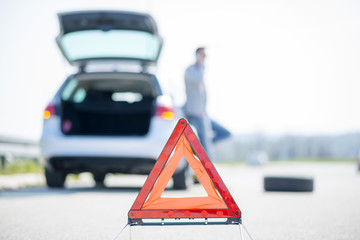
Ensure you are visible by engaging your hazard lights and using flares or reflective triangles if necessary. If possible, move your car off the road or highway away from traffic. Visit Tow Companies Colorado Springs for more details.

1. Stay Alert

Getting stuck on the side of the road is stressful, but staying alert and aware of your surroundings can help make your waiting time more bearable. If it’s safe to do so, let a friend or family member know where you are and when the tow truck is expected to arrive. This is a good way to keep them updated on your status, and they can also act as a form of emotional support while you wait.

It’s also a good idea to turn on your vehicle’s hazard lights, if possible, and place reflective triangles or safety markers behind your car to warn incoming traffic of your presence at the side of the road. This will prevent collisions and other hazards that could worsen your situation.

If you have a cell phone, try to use it sparingly so that you don’t deplete its battery before the tow truck arrives. If you do have the luxury of a smartphone, playing music or podcasts is an excellent way to keep yourself entertained during the wait.

While you’re waiting, avoid accepting offers of help from strangers. These strangers may not be qualified or trustworthy to assist you, and they might take advantage of your vulnerability. If you are stranded on a high-speed road or highway, it might be safer to stay inside your vehicle with the doors locked, particularly if it’s dark outside. Staying in your car can also help you stay warm and protect yourself from the elements.

2. Stay Visible

If you are in a roadside situation with your car, it is important to stay visible. This helps to keep you safe and allows the tow truck driver to locate your vehicle quickly. If possible, try to pull your car into a parking lot or other area that is away from traffic. This reduces the likelihood that another vehicle will hit your vehicle and cause more damage. If you are on a highway, this may not be an option, but you can try to move onto an off-ramp if one is in view. Vehicles tend to travel slower on ramps, so you will have less of a chance of being hit by an oncoming car.

After pulling your vehicle over to the side, activate your hazard lights to let other drivers know that you have stopped and cannot move. If the weather is bad or it is night time, you should consider putting up safety markers or flares in front of your car to further increase visibility.

It is also a good idea to have some emergency supplies in your vehicle, such as reflective triangles and a high-visibility vest. These items will help to alert other drivers of your presence and help prevent accidents from occurring. If you are unable to safely exit your vehicle, you should remain inside with the seatbelt fastened, especially on a highway.

If you do decide to leave your vehicle, it is important to remove any valuables or personal items from the interior of your vehicle. This will minimize the risk of theft and ensure that you do not leave anything behind. It is also a good idea to make a list of any important personal belongings that you need, so that you can double-check them before the tow truck arrives.

3. Stay Inside Your Vehicle

If you’re on a highway or in a busy area, it may be safer to remain inside your vehicle until the tow truck arrives. This can reduce the risk of injury if an oncoming driver swerves to avoid your vehicle and hits you. If you’re able to, try to find an open parking lot or spot along the curb where it is safe to stay inside your vehicle. It’s also worth trying to move your car as far away from the road as possible. This will ensure that the tow truck driver can access your vehicle safely.

While you wait, it’s a good idea to have your auto emergency kit handy. This should include a flashlight, reflective triangles and flares, water, snacks, a first aid kit and more. You should also keep your car doors locked and keep an eye on your surroundings to prevent vandalism or theft. It’s also a good idea to let someone know where you are and when you expect the tow truck to arrive. This way, if something does go wrong while you’re waiting, they will be able to alert authorities.

It’s also helpful to have your vehicle’s keys and phone nearby, as this will allow you to call for help if necessary. Additionally, it’s a good idea to keep a copy of your driver’s license, vehicle registration and insurance information handy in case you need to provide this information to the tow truck drivers. This will speed up the process and prevent any delays caused by having to search for these documents. It’s also a good idea keep your mobile device charged and on so that you can use it to communicate with the tow truck driver or tow service providers.

4. Stay Hydrated

While waiting for a tow truck, it’s important that you stay hydrated. Dehydration is one of the most common causes of fatigue and can lead to a wide variety of symptoms, including dizziness, headaches, and even confusion. Truck drivers often drive long hours, which can make it difficult to stay awake and alert. However, there are a few simple things you can do to stay hydrated while driving.

If possible, try to move your vehicle into a breakdown lane or safe area away from traffic. This will help reduce the risk of collisions with passing vehicles. Additionally, you should turn on your hazard lights to indicate that you are stopped and to warn other drivers to slow down. If it is dark or raining, you should also consider using flares or reflective triangles to improve visibility. Finally, you should keep a first aid kit in your vehicle for minor injuries.

In addition to keeping hydrated, it’s important that you continue to monitor your surroundings while waiting for roadside assistance. If you notice that your tire pressure is low, make sure to inflate them before heading out on the road again. You should also regularly inspect your battery to ensure it is in good condition. High temperatures can cause your battery to wear out more quickly, so it’s best to test its performance in advance.

If you’re stuck on the side of the highway, try to find a spot that’s sheltered from wind and other elements. Additionally, be sure to keep your doors locked and stay inside of your vehicle unless you see or smell smoke (not steam) or flames. You should also have a fully charged cellphone that you can use to contact your towing service.

5. Don’t Exit Your Vehicle

Leaving your vehicle while you wait for a tow truck is usually not a good idea. Even if the location you are stopped in is safe, it’s better to remain inside your vehicle to avoid injury or accidents from passing vehicles. This is especially true if you are on a highway or in an area with high traffic.

If you are able to exit your vehicle, try to do so from the passenger side to avoid stepping into traffic. If you can’t get out, consider putting down reflective triangles or safety markers to create a safety perimeter around your vehicle and help drivers see you. It’s also a good idea to place these items at increasing distances (10, 100, 200 feet) behind your car so that approaching drivers have plenty of time to react to your presence.

Staying in your vehicle provides a safety barrier and offers shelter from the elements. In addition, staying in your vehicle is often more efficient than walking to a nearby location and back again. If you must leave your vehicle, it’s a good idea to have a friend or family member pick you up and bring you back to the spot where your car is broken down.

When you do leave your vehicle, make sure to move a sufficient distance away from it and the tow truck to prevent any accidents during loading and unloading. It’s a good idea to turn off your engine and remove any valuables from your vehicle before you leave so that they don’t get misplaced or stolen while you are waiting for roadside assistance. Leaving personal items in your vehicle increases the risk of theft or loss and could also lead to additional damage during the towing process.